
The rise and fall of the Incas
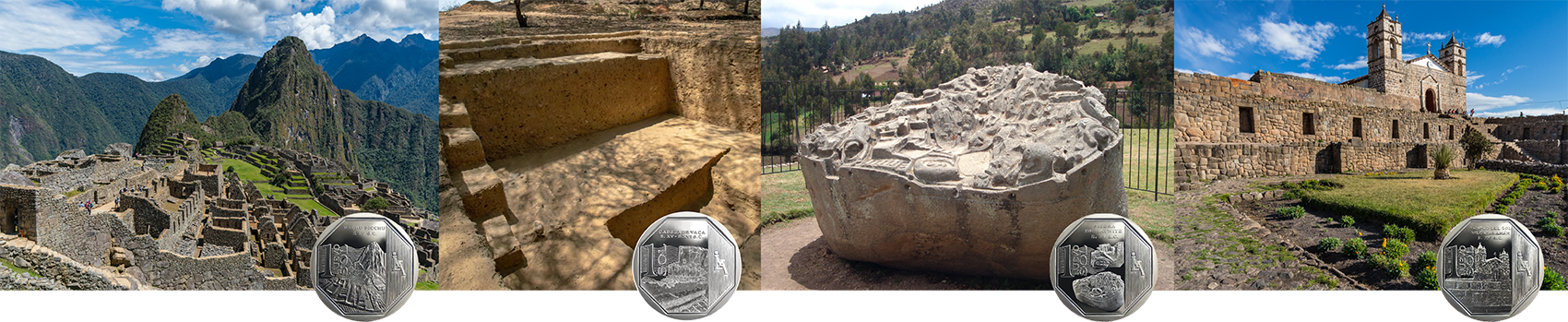
The Incas began to gradually expand from the area of Cusco from the 13th century onwards. Nevertheless, it was only during the 15th century, under the leadership of the emperor Pachacuti (1438-1471), that they dominated the surrounding populations and their rule and a common language (Runa Simi), while also adopting elements of the cultures they conquered. At its height, the Inca Empire – the largest of the Native American empires – covered an area larger than a third of South America. It was a theocratic regime with a strict social hierarchy, and Cusco as its centre of power.
A key element of the empire was the imposing road network of the Qhapaq Ñan, which connected its four geographical territories, from which came the name Tawantinsuyu (“Land of the Four Quarters”). The Incas constructed impressive temples and architectural works with walls built without mortar. They also developed the metallurgy of gold and silver. The wealth in gold was one of the reasons that brought the Spanish conquistadors to their region.
The Inca empire was decimated by a smallpox pandemic that killed the emperor and triggered a disastrous civil war for the succession between the Inca Atahualpa and his brother Huáscar. It was at that era, in 1532, that the conquistador Francisco Pizarro sailed to Tumbes, after being authorised by the Spanish King Charles I to conquer Peru. Taking advantage of the civil strife and the local chiefs who were opposed to the Inca rule, Pizarro executed Atahualpa following an act of betrayal, plundered Cusco, and captured the empire.
The Spanish conquest was followed by colonisation and a long period of colonialism that was marked by social inequalities between the colonists and the indigenous people. This period came to an end in the early 19th century with the War for Peru’s Independence.