



In Heinrich Schliemann's Summer Office, the relationship between people and money in various eras is approached, as reflected in works of philosophy, literature and history.
Wednesday– Monday: 08:30 – 15:30
Tuesday closed
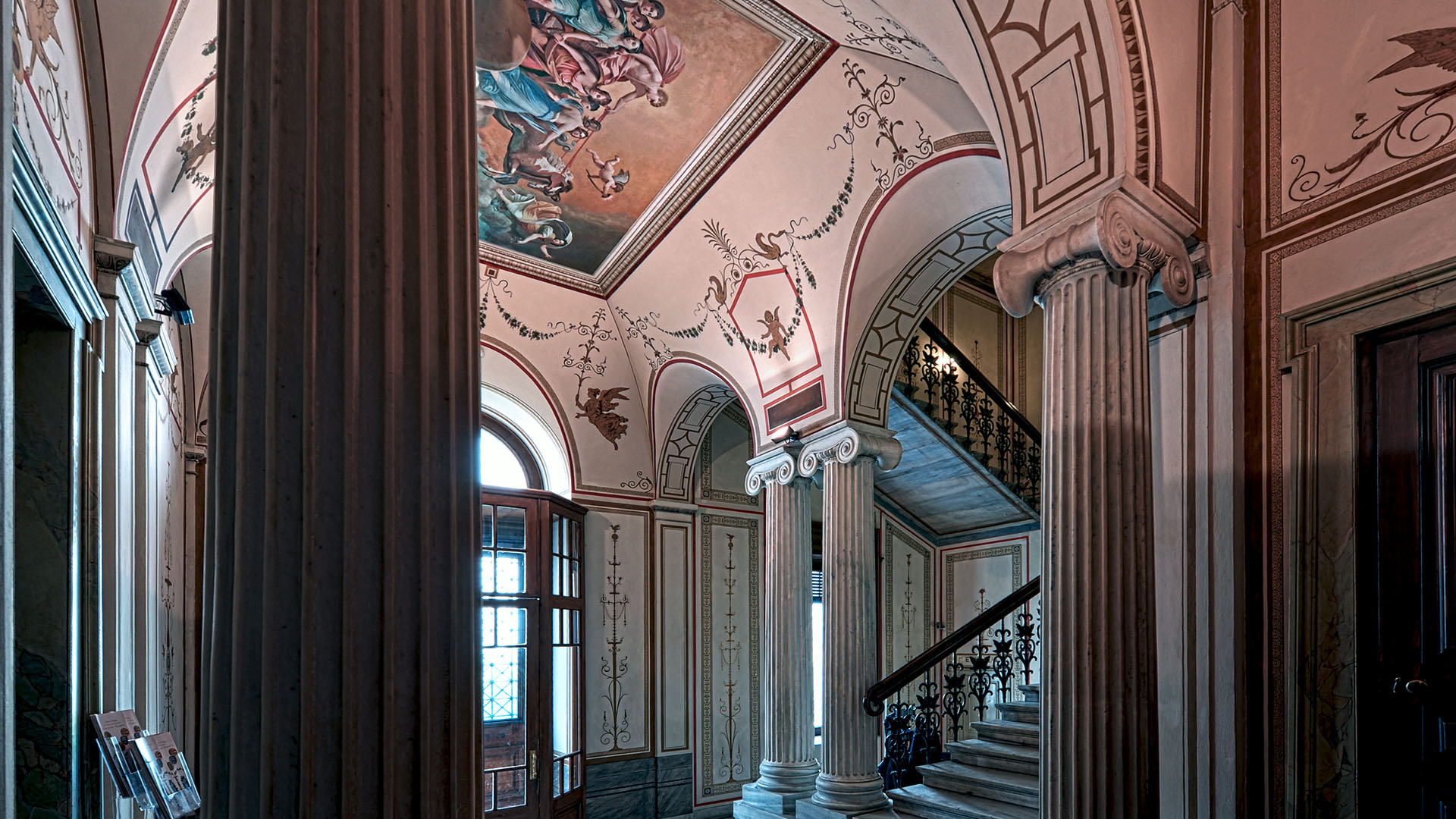
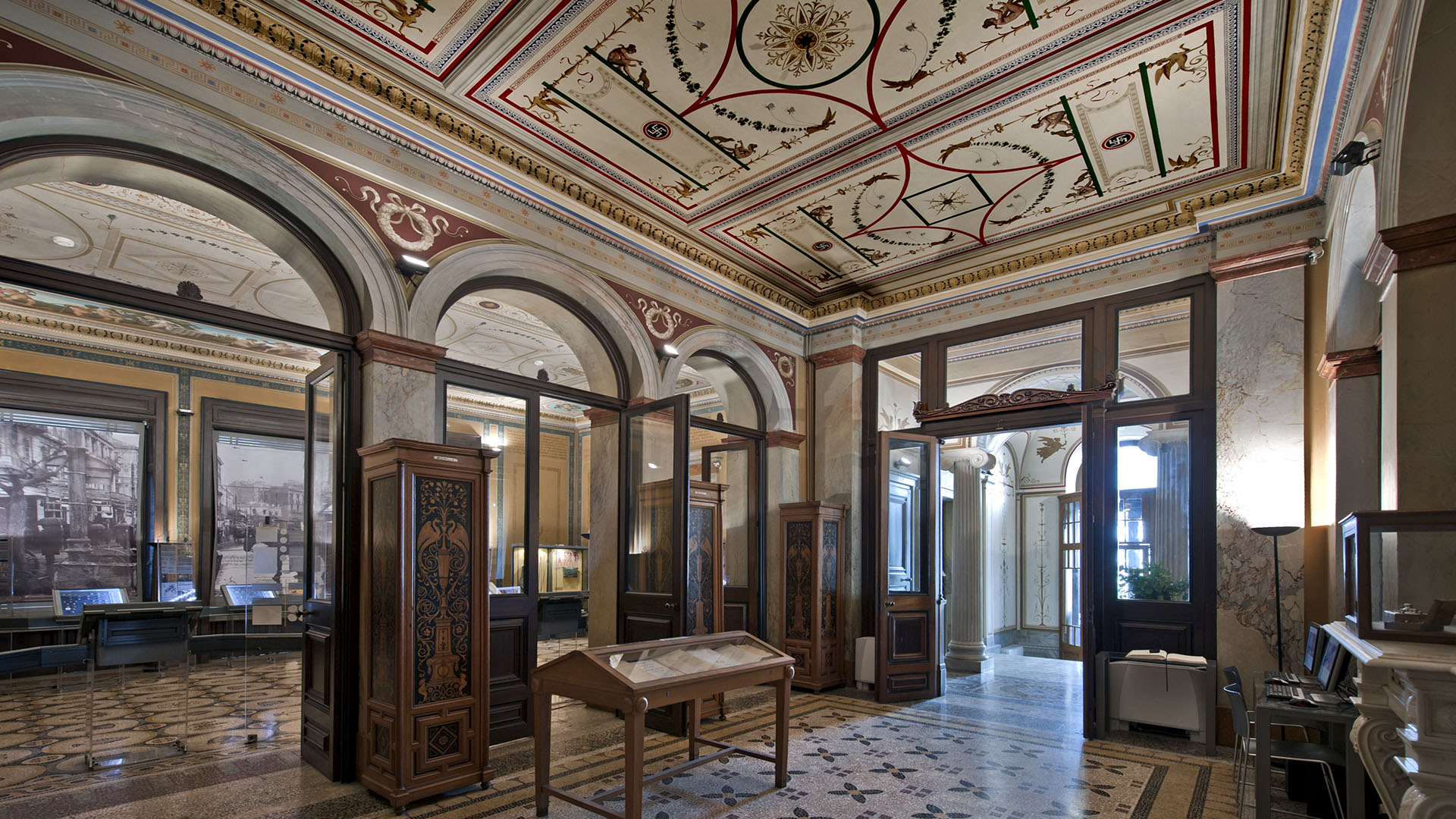
The exhibition
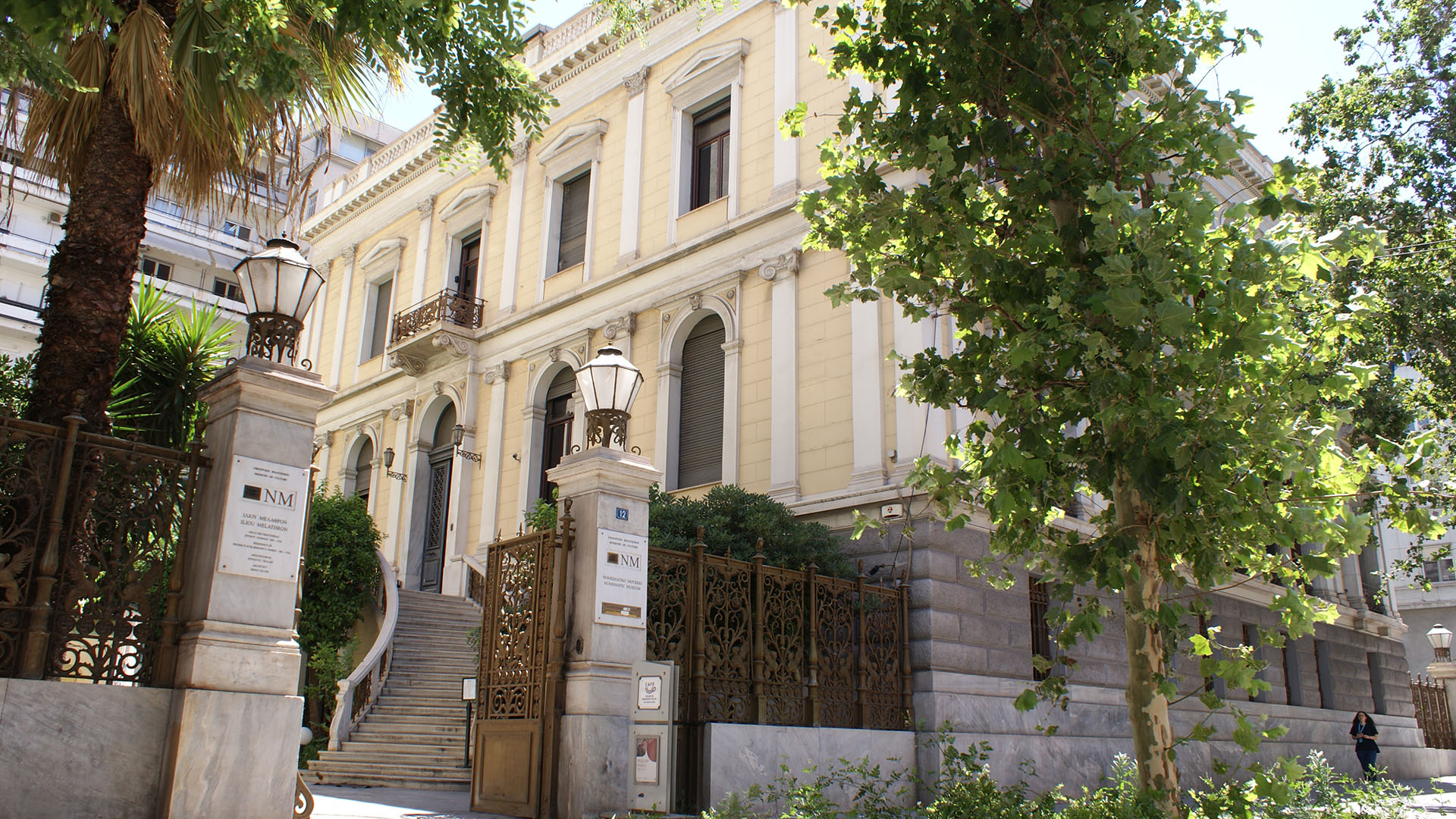
The Numismatic Museum is one of the oldest state museums in Greece. It was established in 1834, the same year as the National Archaeological Museum.

Currency in the ancient Greek world – Representations and ideology
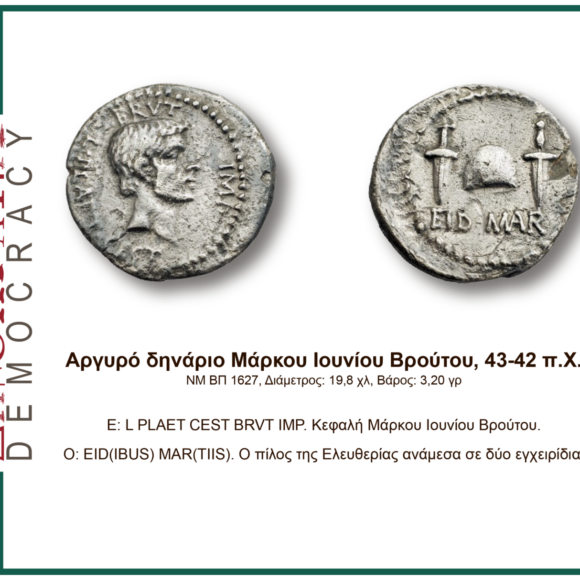
The obverse of the coins depict themes characteristic of the issuing authority and easily recognizable by their users.

The major donors of the Numismatic Museum
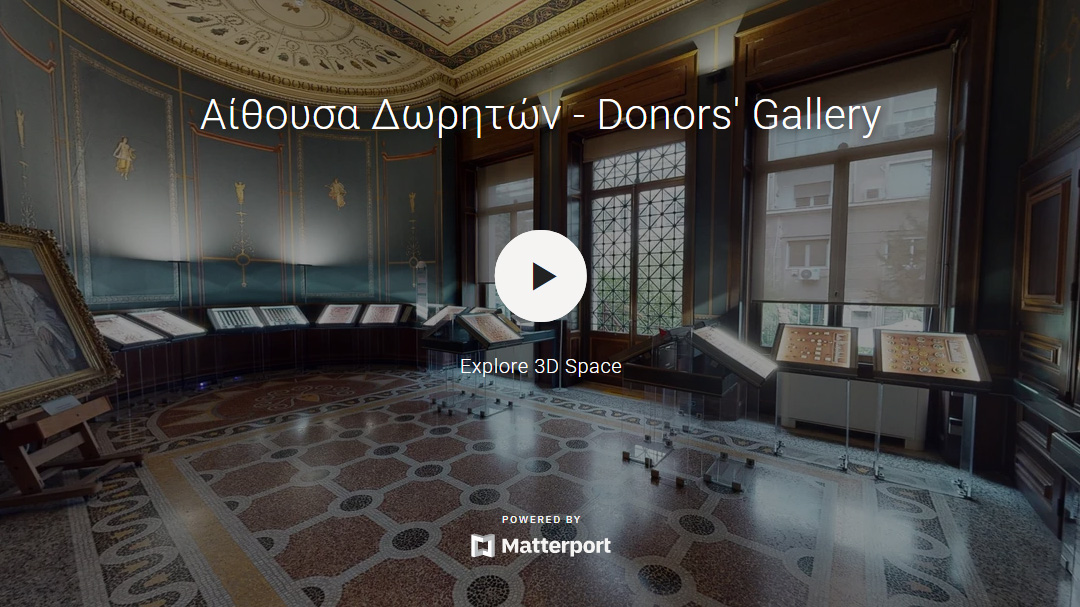
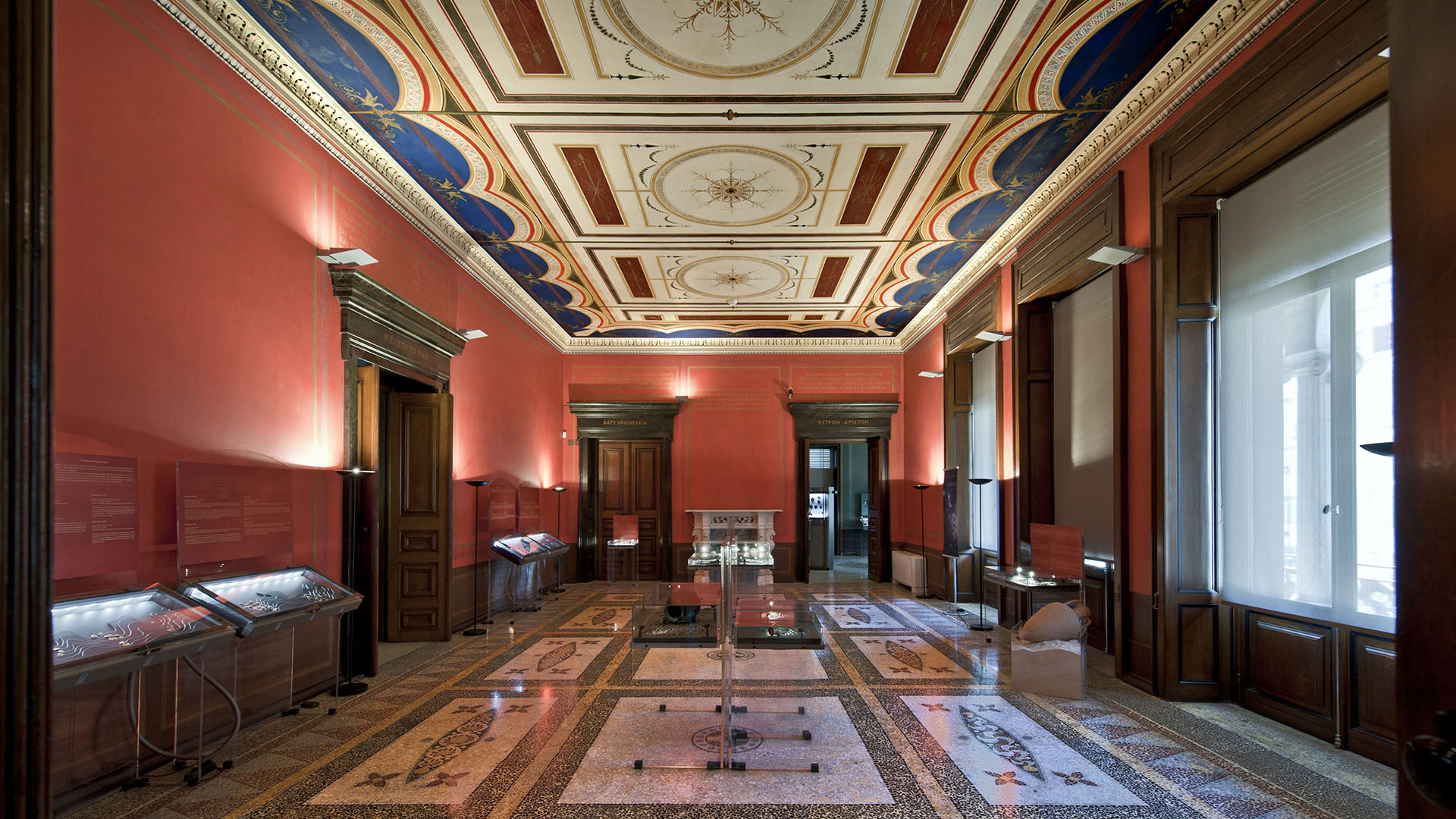
In the dining room of the Schliemann house, the collections of the most important donors of the Numismatic Museum are exhibited.

Currency in the Roman world
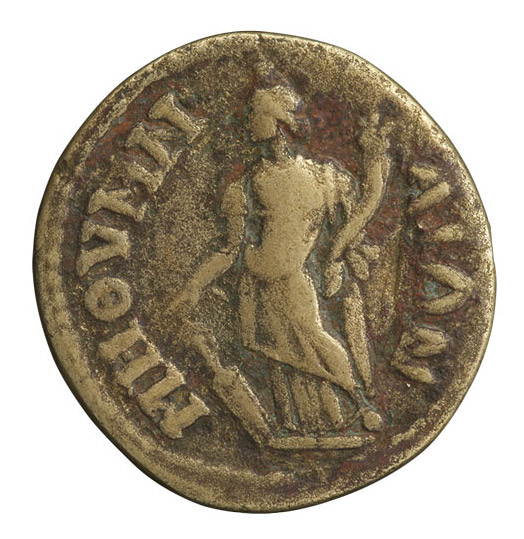
Rome emerged as a major power from the early 3rd century BC and by the 5th century AD its dominance and influence extended to most of the ancient world.

Currency in the Byzantine world
The Byzantine Empire was the continuation of the Roman Empire in the Eastern Mediterranean, a fact that is also reflected in the gradual transition from Roman to Byzantine currency.

Currency in the Western and Eastern Medieval Worlds
In the West, the Peoples of the Great Invasions minted coins in the 5th century following late Roman and Byzantine models. In the mid-8th century, the foundations of the Western European monetary system were laid, which until the 12th century was characterized by the dominance of silver.

Currency in the modern and contemporary world
Since the 16th century, the creation of major trading powers in Europe and the abundance of precious metals have created the conditions for the issuance and circulation of many large gold and silver coins.

The currency in the new Greek state
The palm trees cut by Ioannis Kapodistrias in 1828 were the first national coins of the new Greek state. The drachma, first issued by Otto in 1832, formed the basis of the Greek monetary system until it was replaced by the euro in 2002.

The Ilium Melathron and Heinrich Schliemann
The room is dedicated to Ilios Melathron, a monumental residence in the heart of 19th-century Athens, and to the special personality and love of antiquities of its first resident, Heinrich Schliemann.

Currency in the ancient Greek world – Genesis, spread
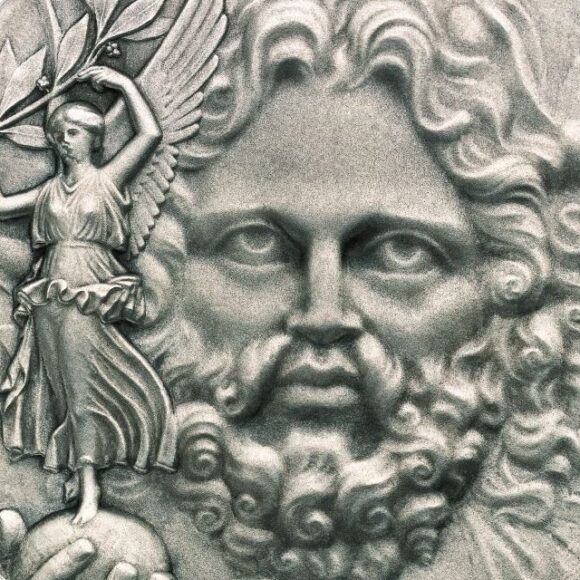
The Hall of the Hesperides presents the genesis of currency, its manufacturing method and the spread of its use in the ancient Greek world. In the 6th century BC, Greek city-states began issuing their own coins.

Currency in the ancient Greek world – International and common currencies
The use of currency spread throughout the then known world through the Greek colonies in the Mediterranean and the Black Sea. The tetradrachm of the Athenian Republic and the tetradrachm and gold stater of Alexander the Great became the "international" coins of the Classical and Hellenistic eras due to their wide distribution.
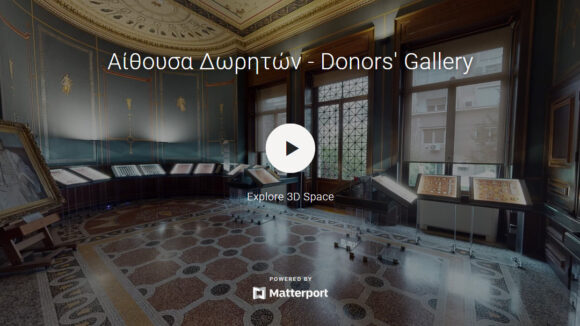
Virtual tour of the Donors’ Hall of the Numismatic Museum
In Ilios Melathron, in the dining room of the Schliemann house, the collections of the most important donors of the Numismatic Museum are exhibited. Important personalities of Hellenism, princes from Russia, bankers and merchants from Alexandria and Marseille, benefactors of the nation, politicians, scientists and people of letters and arts have not ceased to contribute to the Numismatic Museum

Re-exhibition of the Donors’ Hall
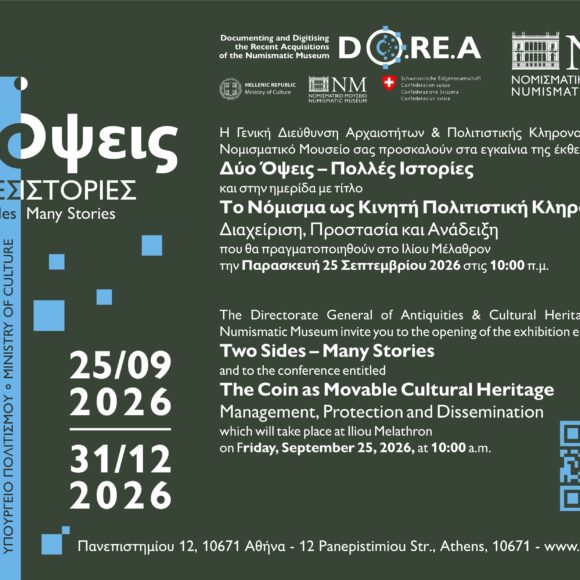
The purpose of the Re-Exhibition is to present to future visitors of the Museum two hundred and seventy (270) rare and very special and unique gold, silver and copper coins, which it recently acquired thanks to the generous donation of the Andreas Bouzas family.
Money and Cinema
The relationship between man and money comes to life in scenes from films of various eras. The fleeting fragments of the films capture the tensions, hatreds, passions, and desires that money causes.

Money and society
In Heinrich Schliemann's Summer Office, the relationship between people and money in various eras is approached, as reflected in works of philosophy, literature and history.