
Geography & biodiversity
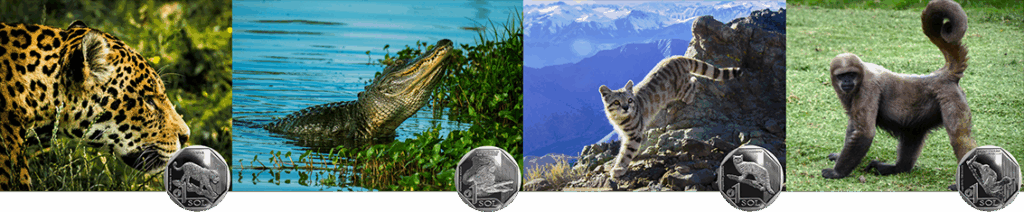
Peru is a country of exceptional natural diversity, endowed with a multitude of natural resources and treasures, such as two of the world’s deepest canyons (Cotahuasi and Colca Canyon) and the highest navigable lake (Lake Titicaca). The Andes mountains hold a central position in its geography, profoundly influencing the climate, topography, flora, and fauna. The Amazon River covers more than half of Peru’s territory, hosting approximately a quarter of the world’s jungle.
In terms of biodiversity, the country lies at the heart of the Tropical Andes, the richest and most diverse region globally, where one-sixth of all plant species thrive within an area smaller than 1% of the planet. Peru is home to 84 of the planet’s 114 biogeographical zones, and its flora and fauna span 11 ecosystem zones with unique combinations of climate and geographical conditions. Among these, the most notable are the Pacific coastal desert, the puna (the Andean high-altitude plains), the Andean rainy mountain forest, and the Amazonian tropical rainforest.
Approximately 10% of the world’s mammal species and 20% of its bird species are found in Peru. The country holds world records for species of orchids, birds, and butterflies, and possesses a vast number of mammals and amphibians. It boasts 25,000 plant species, of which 30% are endemic, meaning they exist only in Peru. In total, more than 8,000 species of plants and animals are endemic. The country’s rare ecological heritage is protected within national parks, reserves, shelters, and other protected areas. Endangered species of flora and fauna are also protected by CITES Appendix I, which restricts the trade in wild species to preserve the ecological heritage of the country.
Beyond their ecological role, many species possess a distinct cultural and symbolic content linked both to history and to modern Peruvian identity. Certain animals, such as the jaguar and the Andean bear, have been honoured since the pre-Columbian era and are associated with indigenous beliefs about the spiritual world. Likewise, some plants have held religious or ceremonial significance throughout the centuries, and are still used by the people of the Andes today for their medicinal, hallucinogenic, and purgative properties.
Peru’s geography strongly influences its economic and social structure. Generally, the Peruvian coast is richer, more industrialised, urbanised, and has better infrastructure, while the mountainous regions are rich in minerals and the seas are rich in fishing species. Metal mining, fishing, agriculture, and tourism dominate the country’s economic life.